Before buying a stock, we fundamentally understand the company’s business: its assets, how it earns money, what could improve, and what could go wrong.
Our active strategies look for companies whose prospects we believe are worth more than their share prices suggest. We expect to hold investments for years, while continuing to reassess the case for owning them.
For investors seeking broader and passive exposure, our index strategy holds a diversified portfolio of large companies that meet our ethical criteria. Each approach carries different risks.
Three ways to invest
The same ethical screen applied with different goals in mind. Each account is held in your name.
For accredited investors. Additional eligibility requirements apply to incentive fees. The firm’s Form ADV and investment management agreement provide the full fee terms.
What we won’t own
Buying a stock means owning part of a business. How that business earns its money matters. In broad strokes, we won’t own:
WeaponsWeapons and the components and software that make them work.
War-related products and servicesBusinesses earning significant profits, planning to earn significant profits, and those that customize their products to conduct war or execute it more effectively.
ViceBusinesses built around producing or selling tobacco, alcohol, marijuana, and gambling services.
Adult entertainment and predatory lendingBusinesses producing or monetizing adult content, and lenders that charge punitive interest or lend heavily to borrowers likely to fall behind.
Industry labels are only a starting point; understanding a company’s customers and products often requires a closer look. More about our exclusions
Letters to investors
A record of the investments, questions, and developments shaping our thinking.
Commentaries are available to accredited investors through the archive.
An introduction
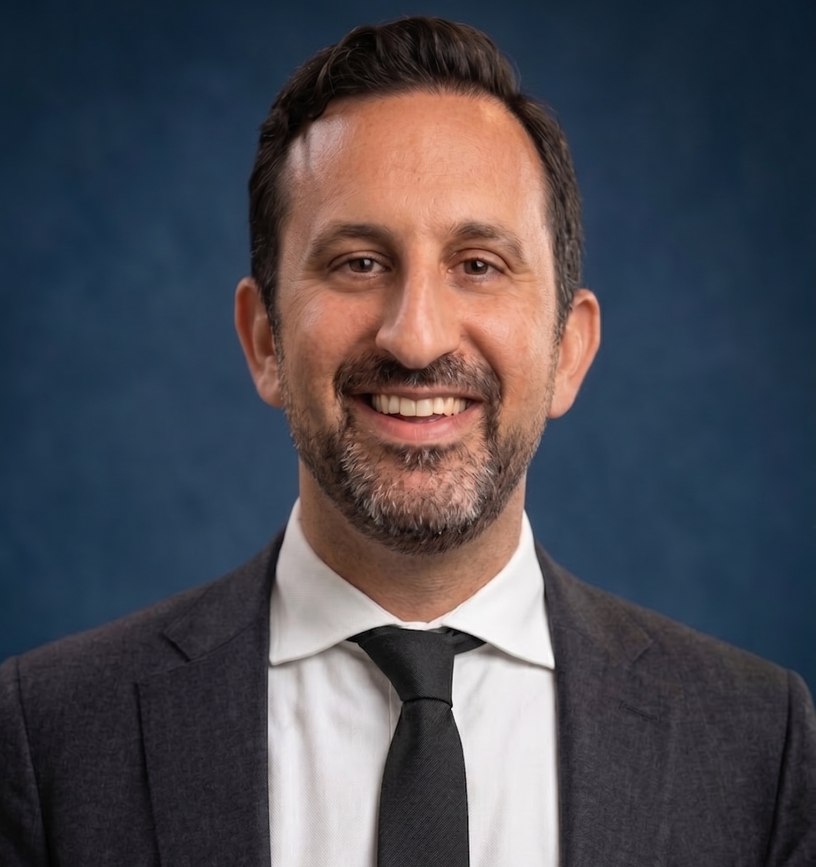
Basil Alsikafi Founder & Portfolio Manager
I founded White Brook Capital in 2016. I have been researching and investing in public companies since 2005, including roles at MSF Capital and BBT Capital Management.
I began my career in investment banking at JPMorgan and hold an MBA from Kellogg and an A.B. from the University of Chicago.
A first conversation covers your priorities, time horizon, and comfort with risk. It also gives you a chance to ask about our exclusions, fees, and investment decisions.